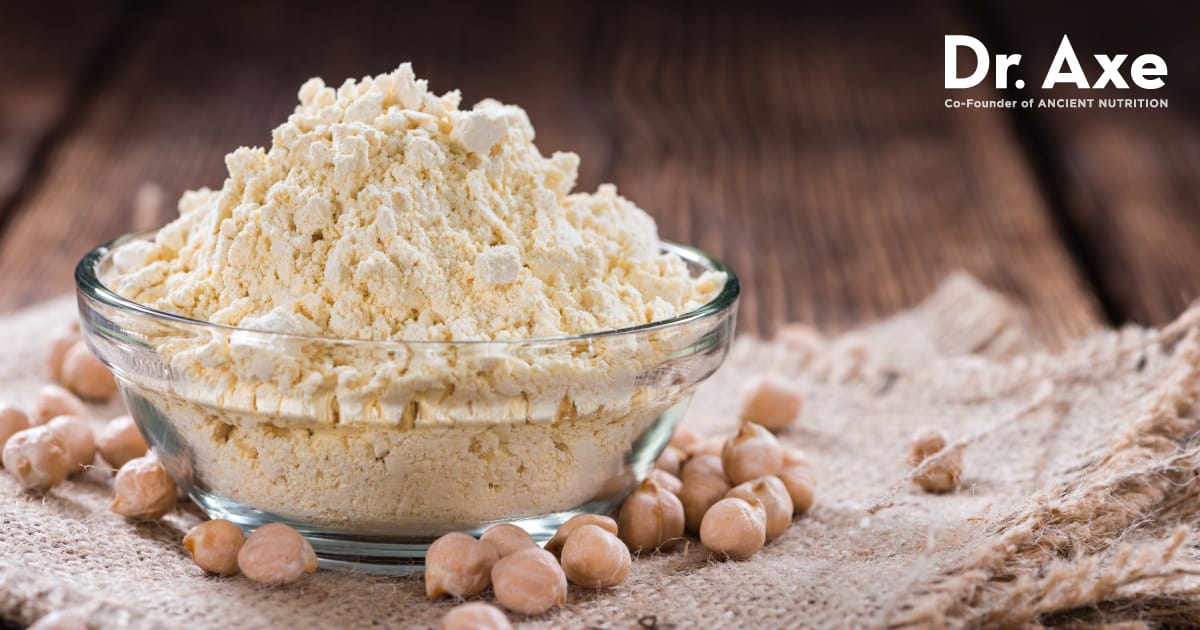
Unlock Health Benefits: Make Your Own Nutritious Chickpea Flour
In recent years, the culinary landscape has seen a remarkable surge in the popularity of flour alternatives. From almond to oat, cassava to chickpea, these innovative options cater to a diverse range of dietary needs and preferences. While some may view these flours as modern innovations, many have graced kitchens across the globe for centuries. Almond flour, for instance, is a cornerstone in Middle Eastern and Italian baking, and chickpea flour has been an indispensable staple in Indian cuisine for countless generations. These alternatives offer not only solutions for those with gluten intolerances but also boast an impressive array of nutritional benefits, making them a superior choice for healthier cooking and baking.
Among these versatile alternatives, chickpea flour, also widely known as gram flour or besan, truly stands out. It’s incredibly nutritious, packed with essential vitamins and minerals, and remarkably easy to integrate into your daily diet. While specialty flours can sometimes carry a premium price tag, the good news is that learning how to make chickpea flour at home is both simple and incredibly cost-effective. All you need is one primary ingredient and a few basic kitchen tools to unlock a world of culinary possibilities.
Why Choose Chickpea Flour? A Nutritional Powerhouse for Your Pantry
Beyond its delicious taste and versatility, chickpea flour offers a robust nutritional profile that makes it a smart choice for anyone looking to boost their health. Compared to traditional refined white flour, chickpea flour typically has fewer calories but delivers a substantial amount of protein and dietary fiber. These two components are crucial for satiety, helping you feel fuller for longer and potentially aiding in weight management by reducing overall calorie intake.
But the benefits don't stop there. Chickpea flour is a rich source of a host of vital micronutrients, including:
- Folate: Essential for cell growth and function.
- Iron: Crucial for oxygen transport and energy production.
- Magnesium: Supports muscle and nerve function, blood sugar control, and blood pressure regulation.
- Phosphorus: Important for bone health and energy metabolism.
- Copper: Plays a role in energy production, iron metabolism, and nervous system function.
- Manganese: Involved in bone formation, blood clotting, and reducing inflammation.
Furthermore, the high fiber content in chickpea flour is renowned for promoting digestive health. It aids in regular bowel movements and can contribute to a healthy gut microbiome. For those with gluten sensitivities or Celiac disease, chickpea flour is a natural gluten-free option, opening up a world of baking and cooking possibilities without compromising on flavor or texture. Embracing chickpea flour means choosing a food that not only tastes good but actively contributes to your overall well-being.
Mastering Homemade Chickpea Flour: A Simple, Cost-Effective Guide
One of the perceived drawbacks of many flour alternatives is their cost, often significantly higher than standard all-purpose white flour. This is where the magic of homemade chickpea flour truly shines. Not only is it remarkably easy to prepare, but it also allows you to control the quality of your ingredients and save money. You can whip up a batch of fresh, nutritious chickpea flour for less than the price of a fancy coffee! Here's how to make chickpea flour right in your own kitchen.
Step-by-Step Recipe for Fresh Chickpea Flour
What You'll Need:
- A bag of dried chickpeas (garbanzo beans) – look for good quality, unroasted, unsalted.
- A powerful food processor or high-speed blender.
- A fine-mesh sieve or sifter.
- (Optional but recommended) A coffee grinder or spice grinder for extra fine results.
- An airtight container for storage.
The Process:
- Initial Grind in the Food Processor: Begin by pouring your dried chickpeas into your food processor. If you're working with a large bag, it's best to process them in batches to avoid overloading the machine and ensure an even grind. Pulse and then process on high speed. Continue until the chickpeas break down into a coarse, powdery consistency. You'll notice some finer flour and some larger, harder bits.
- First Sifting for Separation: Transfer the processed chickpea mixture to your fine-mesh sieve and sift it over a large bowl. Gently tap the sieve to encourage the finer flour to pass through. The goal is to separate the perfectly powdered chickpea flour from any remaining harder, unground bits. These coarser particles will stay in the sieve.
- Refining the Coarser Bits: Take the harder bits that remained in your sieve and transfer them to a coffee grinder or spice grinder. These smaller grinders are excellent for achieving an extra-fine texture. Process them on high speed until they are as powdery as possible. This step is crucial for achieving a smooth, consistent flour that performs well in recipes.
- Final Sifting for Perfection: Combine the freshly ground fine bits from the coffee grinder with the flour you collected from your first sifting. Sift the entire batch one more time through your fine-mesh sieve. This ensures that your homemade chickpea flour is uniformly fine and free of any stubborn chunks, resulting in a beautifully smooth texture ready for any recipe.
- Storage: Once your chickpea flour is perfectly ground and sifted, transfer it immediately to an airtight container. Properly stored, your fresh homemade chickpea flour is ready for immediate use.
Storing Your Homemade Chickpea Flour for Lasting Freshness
Proper storage is key to extending the shelf life and preserving the quality of your homemade chickpea flour. Like all whole grain flours, chickpea flour retains its freshness best when protected from moisture, light, and air. An airtight container is your best friend in this regard, preventing oxidation and keeping pantry pests at bay.
- Pantry or Cupboard Storage: For immediate use or if you plan to go through your batch relatively quickly, storing chickpea flour in a cool, dark pantry or cupboard is perfectly acceptable. In these conditions, it will remain fresh for approximately six months. Make sure the container is truly airtight and away from any heat sources.
- Refrigerator Storage: To significantly prolong its freshness, consider storing your chickpea flour in the refrigerator. The cooler temperature helps slow down the natural degradation process of fats in the flour, preventing it from going rancid. When stored in an airtight container in the fridge, chickpea flour can last for about one to two years.
- Freezer Storage: For the longest possible shelf life, the freezer is your best option. Freezing chickpea flour in an airtight container can preserve its quality for up to one to two years, much like refrigeration. When you need to use it, simply scoop out the desired amount – you typically don't need to thaw it beforehand, as its fine texture prevents it from clumping into a solid block.
No matter where you store it, it’s a good practice to label your container with the date you made the flour. This helps you keep track of its freshness and ensures you’re always using the best quality ingredients in your cooking.
Unleash Culinary Creativity: Versatile Uses for Chickpea Flour
Once you’ve mastered how to make chickpea flour, prepare to be amazed by its incredible versatility in the kitchen. This gluten-free powerhouse can be seamlessly incorporated into a vast array of dishes, offering unique textures and a subtle, earthy flavor profile that enhances both sweet and savory creations.
Beyond the Basics: Creative Applications for Chickpea Flour
- Decadent Baked Goods: Chickpea flour can lend a wonderful tender crumb to baked goods. Use it in part (often blended with other gluten-free flours) in recipes for homemade cookies, moist banana bread, or fluffy cupcakes. Its natural sweetness and rich texture make it a fantastic addition to breakfast staples like pancakes and crepes.
- Savory Staples with a Healthy Twist: Replace a portion of traditional white flour in savory recipes to boost nutrition and add a unique depth of flavor. It's excellent for binding ingredients in homemade meatballs, creating a wonderfully pliable pizza dough, or crafting tender dumplings. It's also a star ingredient in veggie burgers, providing both structure and protein.
- Thickening Agent Extraordinaire: Need to add body to your dishes? A few tablespoons of chickpea flour whisked into soups, sauces, or gravies can achieve a beautifully thicker, creamier texture without any starchy aftertaste. It’s particularly effective in curries or hearty stews.
- Crispy Coatings and Binders: Utilize chickpea flour as a fantastic coating for foods like homemade chicken tenders, fish sticks, or even vegetable fritters. When mixed with spices and a liquid, it forms a light, crispy batter that adheres well and fries beautifully. Its binding properties also make it ideal for dishes where you need ingredients to hold together, like savory patties or even egg-free frittatas.
- Global Delicacies: Explore international recipes that traditionally feature chickpea flour. Think Indian pakoras (vegetable fritters), socca or farinata (savory flatbreads from France and Italy), or Ethiopian shiro wot (a hearty chickpea stew). These dishes truly showcase its unique capabilities.
While chickpea flour is incredibly versatile, it's important to remember that it can absorb more liquid than traditional wheat flour due to its higher protein and fiber content. When substituting, especially in leavened baked goods, it's often best to start by replacing 25-50% of the wheat flour with chickpea flour or to seek out recipes specifically designed for chickpea flour for optimal results. Its slightly milder and lighter flavor compared to some other gluten-free flours also makes it an adaptable ingredient for various culinary experiments.
Conclusion
Learning how to make chickpea flour at home is a simple, rewarding, and incredibly beneficial endeavor. Not only does it offer a cost-effective solution to purchasing specialty flours, but it also empowers you to create a genuinely nutritious ingredient that can transform your cooking and baking. With its impressive profile of protein, fiber, and essential minerals, coupled with its natural gluten-free status, chickpea flour is a true culinary gem.
From providing a healthy boost to your favorite baked goods to acting as a versatile binder and thickener in savory dishes, the possibilities are truly endless. Embrace the satisfaction of making this staple from scratch and enjoy the myriad health benefits and delicious flavors it brings to your table. So, grab a bag of dried chickpeas, fire up your food processor, and embark on your journey to unlocking the full potential of homemade chickpea flour!
