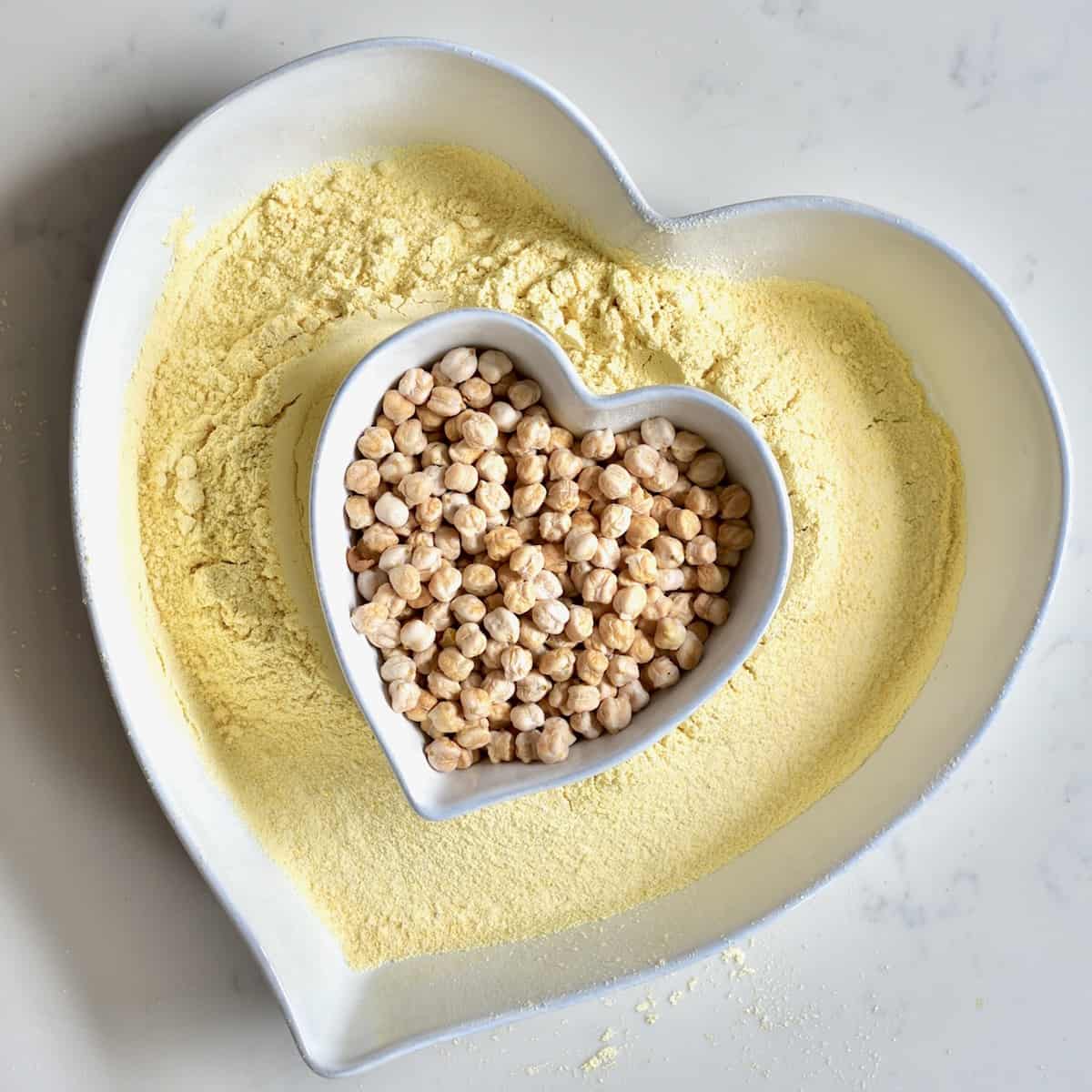
Homemade Chickpea Flour: Your Easy, Budget-Friendly Path to Wholesome Baking
In a world increasingly conscious of health and dietary needs, flour alternatives have surged in popularity. From almond to oat, and cassava to chickpea, the options seem endless. These alternatives aren't just trendy; they offer a wealth of nutritional benefits and are a godsend for those with gluten intolerances. While some might seem like recent innovations, many have been kitchen staples in diverse cultures for centuries. Chickpea flour, in particular, has been a cornerstone of Indian cooking for generations, prized for its unique texture and impressive nutritional profile.
Yet, the convenience of pre-packaged alternative flours often comes with a hefty price tag, making them a less accessible option for many households. What if we told you that one of the most versatile and nutritious gluten-free flours could be made right in your kitchen for under $3? You heard that right! Learning how to make chickpea flour at home is not only incredibly simple but also incredibly economical. Say goodbye to expensive grocery store versions and hello to fresh, homemade goodness.
Why Homemade Chickpea Flour is a Game-Changer
Beyond the undeniable cost savings, making your own chickpea flour offers a host of benefits that make it an invaluable addition to your pantry:
- Nutritional Powerhouse: Chickpea flour isn't just a gluten-free substitute; it's a nutritional upgrade. Compared to traditional white flour, it boasts fewer calories and is packed with substantial amounts of protein, fiber, folate, iron, magnesium, phosphorus, copper, and manganese. These nutrients contribute to overall well-being, supporting everything from energy production to bone health.
- Digestive Health and Satiety: Thanks to its high fiber content, chickpea flour is known to be better for digestion. It promotes gut health and can help keep you feeling fuller for longer, aiding in weight management and preventing those pesky mid-day cravings.
- Budget-Friendly: A standard bag of dried chickpeas (often 1-2 pounds) can typically be purchased for under $3-$5, yielding a significant amount of flour. This is a fraction of the cost of buying pre-ground chickpea flour, which can often cost upwards of $5-$8 for a smaller bag.
- Freshness You Can Taste: When you grind your own flour, you're getting the freshest product possible. This can translate to better flavor and texture in your cooking and baking.
- Versatile Culinary Ally: From sweet treats to savory staples, chickpea flour proves to be incredibly adaptable. It's truly a secret weapon for any home cook looking to explore healthier, gluten-free options.
Your Easy, Under-$3 Recipe for Homemade Chickpea Flour
Ready to discover how to make chickpea flour with just one ingredient and a few simple steps? Let's dive in!
What You'll Need:
- 1 bag of dried chickpeas (garbanzo beans): Aim for a 1-2 pound bag – you’ll be amazed at how much flour this yields! Ensure they are raw and dried, not roasted or canned.
- A powerful food processor: The stronger, the better, for efficiently grinding the hard chickpeas.
- A fine-mesh sieve or sifter: Essential for achieving a smooth, uniform flour.
- Optional (but highly recommended): A coffee grinder or spice grinder: This is a secret weapon for refining any stubborn coarse bits into perfectly fine flour.
- An airtight storage container: To keep your homemade flour fresh.
Step-by-Step Instructions:
- Prepare Your Chickpeas: Ensure your dried chickpeas are clean and free of any debris. There's no need to soak or cook them for this method; we're starting with raw, hard beans. If you're using a large bag, plan to work in batches to avoid overloading your food processor.
- The First Grind: Place a portion of the dried chickpeas into your food processor. Secure the lid and process on high speed. Initially, the chickpeas will break down into coarse pieces, then gradually transform into a finer, powdery mixture. Continue processing until it resembles a fine meal or coarse flour. This may take several minutes, depending on your processor's power. Periodically pause and scrape down the sides of the bowl to ensure even grinding.
- Initial Sifting for Fineness: Once you have a noticeably powdery mixture, transfer it to your fine-mesh sieve. Hold the sieve over a large bowl and gently shake or tap to sift the finer flour through. You'll be left with some harder, larger bits that didn't quite make it through the mesh.
- Refine the Coarse Bits (Optional but Recommended): Gather all the coarser pieces left in your sieve. This is where your coffee or spice grinder comes in handy! Transfer these bits, in small batches, to the grinder. Process them until they achieve a fine, powdered consistency similar to the flour you just sifted. This step is key to achieving a truly smooth, professional-grade chickpea flour.
- Final Sifting & Combine: Pour the newly refined flour from your grinder back into the sieve, combining it with any remaining coarse bits from the initial grind. Sift everything one more time to ensure a perfectly consistent, uniform texture. By now, you should have a beautiful, large batch of perfectly ground chickpea flour.
- Store Your Creation: Transfer your freshly made chickpea flour into an airtight food storage container. Make sure the container is completely dry to prevent any moisture absorption. Label it with the date of preparation.
And there you have it! An incredibly simple and cost-effective method to creating your own chickpea flour at home. This is just one step in discovering the amazing versatility of DIY Chickpea Flour: Recipe, Benefits & Versatile Uses Explained.
Maximize Freshness: Storing Your Homemade Chickpea Flour
Proper storage is essential to maintain the freshness and extend the shelf life of your homemade chickpea flour. Since it's freshly ground and doesn't contain any preservatives, a little care goes a long way:
- Pantry or Cupboard (Up to 6 months): Store your chickpea flour in a cool, dark, and dry place in an airtight container. Away from direct sunlight and humidity, it will remain fresh for approximately six months.
- Refrigerator (1-2 years): For extended freshness, especially in warmer climates or if you've made a large batch, transfer your airtight container to the refrigerator. This can help preserve its quality for about one to two years.
- Freezer (1-2 years or more): For the longest shelf life, the freezer is your best friend. Stored in a freezer-safe, airtight container, chickpea flour can stay fresh for one to two years, and often even longer, without losing its quality. Just be sure to bring it to room temperature before using it in recipes.
Always give your stored flour a quick sniff before using it. If it smells rancid or off, it’s best to discard it.
Unleash Culinary Creativity: How to Use and Substitute Chickpea Flour
Once you've mastered how to make chickpea flour, a whole new world of culinary possibilities opens up. Its mild, slightly earthy, and nutty flavor makes it incredibly versatile.
A World of Culinary Possibilities:
- Savory Staples: Substitute chickpea flour for white flour in classics like meatballs, veggie burgers, fritters, pizza dough, and dumplings. It adds a delicious depth of flavor and a protein boost. It's also fantastic for traditional Indian dishes like pakoras, kadhi, and savory crepes (dosa or puda).
- Baked Goods: Don't limit it to savory! Chickpea flour can be used, in part, in decadent baked goods like banana bread, muffins, cookies, and cupcakes. It also makes for hearty, nutritious pancakes and crepes.
- Thickening Agent: Add a few tablespoons to soups, stews, sauces, or gravies to achieve a thicker, creamier texture without needing heavy cream or refined starches. It's a fantastic natural thickener.
- Crispy Coatings: Use chickpea flour to coat foods for frying or baking, such as homemade chicken tenders, fish sticks, or even vegetables. It provides a lovely crispness and holds up well.
- Egg Substitute: Mixed with water, chickpea flour can even serve as a binder or an egg substitute in many vegan recipes, like quiches or frittatas.
Smart Substitution Tips:
While incredibly versatile, chickpea flour behaves differently than wheat flour due to its lack of gluten. Here’s how to use it effectively:
- Not Always a 1:1 Swap: Chickpea flour can be a bit denser and absorbs more liquid than traditional wheat flour. For recipes specifically designed for chickpea flour (like Indian flatbreads or pakoras), use the amount specified. For adapting existing recipes, it’s often best to start by replacing 25-50% of the wheat flour with chickpea flour, especially in baked goods, or you may need to increase the liquid slightly.
- Combining for Best Results: In gluten-free baking, chickpea flour often shines when combined with other gluten-free flours like rice flour, tapioca starch, or cornstarch. This helps achieve a balanced texture and crumb.
- Savory Binders: For savory applications like veggie burgers or meatballs, chickpea flour often works as a fantastic 1:1 binder, helping ingredients hold together beautifully.
The journey of making your own chickpea flour is just the beginning of Unlock Health Benefits: Make Your Own Nutritious Chickpea Flour and exploring its incredible culinary potential.
Embrace the Homemade Revolution
Making your own chickpea flour at home is a simple yet incredibly rewarding endeavor. It empowers you to take control of your ingredients, save money, and enjoy the nutritional benefits of a truly wholesome, gluten-free flour. From its ease of preparation for under $3 to its extensive versatility in the kitchen, homemade chickpea flour is a staple that deserves a place in every health-conscious home. So grab that bag of dried chickpeas, fire up your food processor, and embark on a delicious journey toward healthier, more creative cooking!
