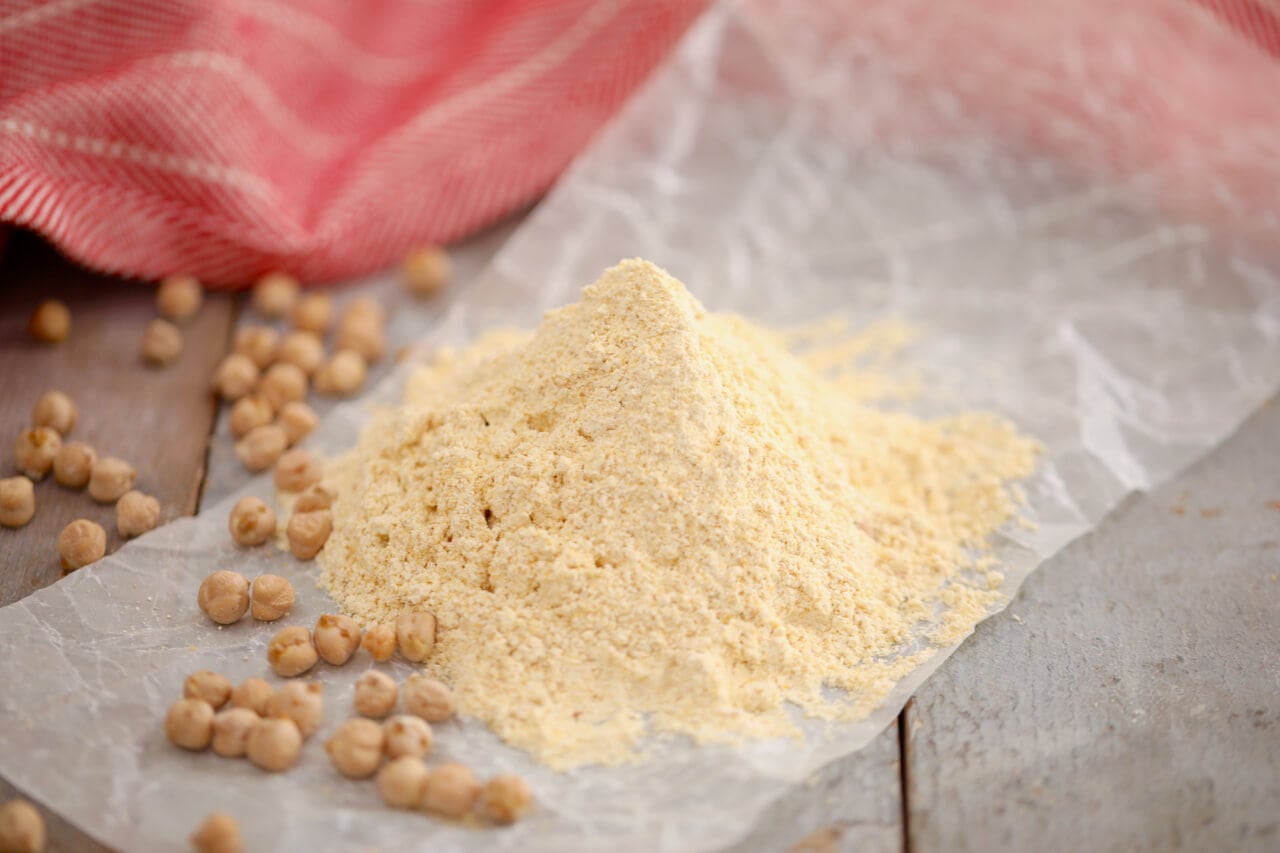
In the evolving landscape of culinary arts and health-conscious living, flour alternatives have surged in popularity, offering diverse options beyond traditional wheat. From almond to oat, and cassava to the star of our discussion today – chickpea flour – these alternatives cater not only to those with gluten sensitivities but also to individuals seeking enhanced nutritional benefits in their daily cooking and baking. While some of these flours might appear to be modern innovations, many, like chickpea flour, boast a rich history, serving as a staple in various global cuisines for centuries, particularly in Indian cooking where it's known as besan.
Chickpea flour stands out as an incredibly nutritious choice, packed with essential vitamins and minerals. Beyond having fewer calories than traditional white flour, it delivers substantial amounts of protein, fiber, folate, iron, magnesium, phosphorus, copper, and manganese. Opting for chickpea flour can also aid digestion and contribute to a feeling of fullness for longer periods, making it a valuable addition to a balanced diet.
Despite its many advantages, one common hurdle with many flour alternatives is their higher price point compared to standard white flour. The good news? Learning how to make chickpea flour at home is surprisingly simple, requiring just one core ingredient and a few basic kitchen tools. This article will guide you through the straightforward process, delve into its numerous health benefits, and unlock a world of versatile culinary uses for this remarkable homemade staple.
Nutritional Powerhouse: Why Choose Chickpea Flour?
Beyond its ancient heritage, chickpea flour, also known as garbanzo bean flour or besan, is a true nutritional gem. It's a fantastic choice for anyone looking to boost their intake of vital nutrients, whether you're managing a gluten intolerance or simply aiming for a healthier diet. Let's break down the impressive nutritional profile that makes it a superior alternative:
- Rich in Protein: Essential for muscle repair, growth, and overall bodily functions, chickpea flour offers a significant protein boost, especially beneficial for vegetarians and vegans.
- High in Dietary Fiber: Fiber is crucial for digestive health, helping to regulate bowel movements, prevent constipation, and maintain a healthy gut microbiome. It also contributes to satiety, helping you feel fuller for longer and potentially aiding in weight management.
- Packed with Folate: This B vitamin is vital for cell growth and function, especially important during pregnancy to prevent neural tube defects.
- Excellent Source of Iron: Iron is critical for producing hemoglobin, which carries oxygen in the blood. Adequate iron levels prevent fatigue and improve energy.
- Minerals Galore: Chickpea flour is also abundant in magnesium (important for nerve and muscle function), phosphorus (key for bone health), copper (involved in energy production and immune function), and manganese (an antioxidant and essential for metabolism).
When compared to highly processed white flour, chickpea flour offers a lower calorie count and a much higher density of beneficial nutrients. Its complex carbohydrates and fiber content also contribute to a more stable blood sugar response, avoiding the sharp spikes often associated with refined flours. For those seeking to Unlock Health Benefits: Make Your Own Nutritious Chickpea Flour, making it from scratch ensures you're getting the purest form of these valuable nutrients without any additives.
Mastering the Art: How to Make Chickpea Flour at Home
One of the most appealing aspects of chickpea flour, beyond its health benefits, is the ease and affordability of making it yourself. You might be surprised at just how straightforward the process of learning how to make chickpea flour is, transforming a simple bag of dried chickpeas into a versatile cooking ingredient for a fraction of the cost of store-bought alternatives. You'll save money, control the quality, and gain a deep satisfaction from creating a kitchen staple from scratch. In fact, many find they can whip up a batch for under $3!
What You'll Need:
- A bag of dried chickpeas (garbanzo beans)
- A powerful food processor or high-speed blender
- A fine-mesh sieve
- Optionally, a coffee or spice grinder for extra refinement
- An airtight container for storage
Step-by-Step Recipe:
- Prepare Your Chickpeas: Start with completely dried chickpeas. There's no need to soak or cook them for this process. Ensure they are free from any debris. If you're working with a large bag, it's best to process them in batches to avoid overcrowding your equipment and achieve a more uniform grind.
- Initial Grinding: Place a portion of the dried chickpeas into your food processor or high-speed blender. Begin processing on a high speed. The goal here is to break down the hard chickpeas into a coarse powder. Continue grinding until the mixture resembles a coarse flour. It might take several minutes, and you may need to pause and scrape down the sides of the bowl occasionally to ensure all chickpeas are being processed evenly.
- First Sift for Smoothness: Once you have a coarse flour, pour the mixture through a fine-mesh sieve into a clean bowl. Gently shake the sieve, allowing the finer flour to fall through. The purpose of this step is to separate the already finely ground flour from any larger, harder bits that weren't fully processed.
- Refining Coarse Bits: Collect the larger, unprocessed pieces left in the sieve. Transfer these coarser bits into a coffee grinder or a spice grinder. These smaller, more powerful grinders are excellent for achieving an extra-fine powder from stubborn fragments. Grind these pieces until they reach a powdery consistency similar to the flour you just sifted.
- Final Sift & Storage Prep: Add the newly ground fine flour from the coffee grinder back to your main batch. Sift the entire mixture one last time through the fine-mesh sieve to ensure a perfectly uniform, smooth chickpea flour. By now, you should have a generous batch of beautifully ground, homemade chickpea flour ready for use. For a more detailed look at the cost-effectiveness, check out our guide on Homemade Chickpea Flour: Easy Recipe for Under $3.
Tips for Success:
- Equipment Matters: A powerful food processor or high-speed blender is key. Weaker models might struggle to achieve a fine grind.
- Don't Overheat: If your machine starts to get very warm, give it a break. Overheating can sometimes affect the flour's texture or even slightly cook it.
- Achieve Fineness: The finer the grind, the better the flour will perform in baking and cooking. Don't rush the sifting and refining stages.
Proper Storage for Lasting Freshness:
Once you've dedicated the time to make your own chickpea flour, proper storage is crucial to maintain its freshness and extend its shelf life. Store your freshly ground chickpea flour in an airtight food storage container. This protects it from moisture, air, and pantry pests.
- Pantry/Cupboard: When stored in a cool, dark place like your pantry or cupboard, homemade chickpea flour has a shelf life of approximately six months.
- Refrigerator: To extend its freshness, you can store chickpea flour in the refrigerator, where it will typically remain fresh for about one to two years.
- Freezer: For the longest shelf life, the freezer is your best bet, keeping the flour fresh for one to two years or even longer.
Always label your container with the date you made the flour. Before use, give it a quick sniff; if it smells rancid or off, it's best to discard it.
Unlocking Culinary Potential: Versatile Uses of Chickpea Flour
The culinary applications of chickpea flour are far more expansive than many realize, making it a truly versatile ingredient in any kitchen. Its unique nutty, earthy flavor profile and impressive binding qualities allow it to shine in both sweet and savory dishes, offering a gluten-free boost of protein and fiber. Here’s how you can incorporate your homemade chickpea flour into your cooking:
Baking with Besan:
- Decadent Baked Goods: Integrate chickpea flour into recipes for banana bread, muffins, and cupcakes. Its density can add a delightful texture.
- Classic Breakfast Dishes: It's perfect for making light and fluffy pancakes, crepes, and even waffles, providing a nutritious start to your day.
- Cookies & Bars: Experiment with partial substitutions in your favorite cookie recipes for an added depth of flavor and nutritional value.
Savory Staples & Global Cuisine:
- Meatball & Veggie Burger Binder: Chickpea flour acts as an excellent binder, holding together meatballs, meatloaf, or vegetarian patties (like homemade veggie burgers) without the need for eggs or breadcrumbs.
- Pizza Dough & Flatbreads: Use it to create gluten-free pizza crusts, savory Indian crepes like besan cheela, or crispy flatbreads.
- Thickening Agent: A few tablespoons of chickpea flour can work wonders in thickening soups, stews, sauces, and gravies, lending them a creamy, rich texture without dairy.
- Coating for Frying: Its slightly coarse texture and binding properties make it an ideal coating for foods like homemade chicken tenders, fish sticks, or classic Indian pakoras (vegetable fritters), adding a crispy crust and an extra protein punch.
- Dumplings & Fritters: From savory European-style dumplings to various fritters, chickpea flour provides structure and a pleasant chew.
- Traditional Dishes: Don't forget its roots! Use it for traditional Indian dishes like dhokla (steamed savory cakes) or kadhi (a yogurt-based curry).
Substitution Guidelines:
When substituting chickpea flour for traditional wheat flour, especially in baking, it's important to remember that it has different absorption properties and a distinct flavor. Chickpea flour can be denser and absorb more liquid. A good starting point for substitution is often to use about 75% chickpea flour for every cup of wheat flour, and then adjust liquid content as needed. In savory applications, like thickening sauces or binding, you can often substitute it directly or adjust to taste and desired consistency.
Its naturally mild, earthy, and slightly nutty flavor complements a wide range of ingredients without overpowering them, making it a fantastic ingredient for creative culinary experimentation. Embrace its versatility and enjoy the benefits of this wholesome flour in your kitchen.
Conclusion
Embracing homemade chickpea flour opens up a world of culinary possibilities, combining impressive nutritional benefits with significant cost savings. Learning how to make chickpea flour is a simple yet rewarding process that transforms humble dried chickpeas into a versatile, gluten-free staple. From its rich protein and fiber content to its abundance of essential minerals, chickpea flour is a powerhouse ingredient that supports digestion, satiety, and overall well-being.
Whether you're crafting light pancakes, binding savory veggie burgers, thickening a hearty soup, or experimenting with international flavors, your homemade besan will prove to be an invaluable addition to your pantry. By taking a few minutes to prepare this wholesome flour, you're not just cooking; you're investing in your health, enhancing your culinary skills, and enjoying the pure satisfaction of creating something wonderful from scratch. So, grab a bag of chickpeas and get ready to unlock the full potential of this incredible ingredient!
